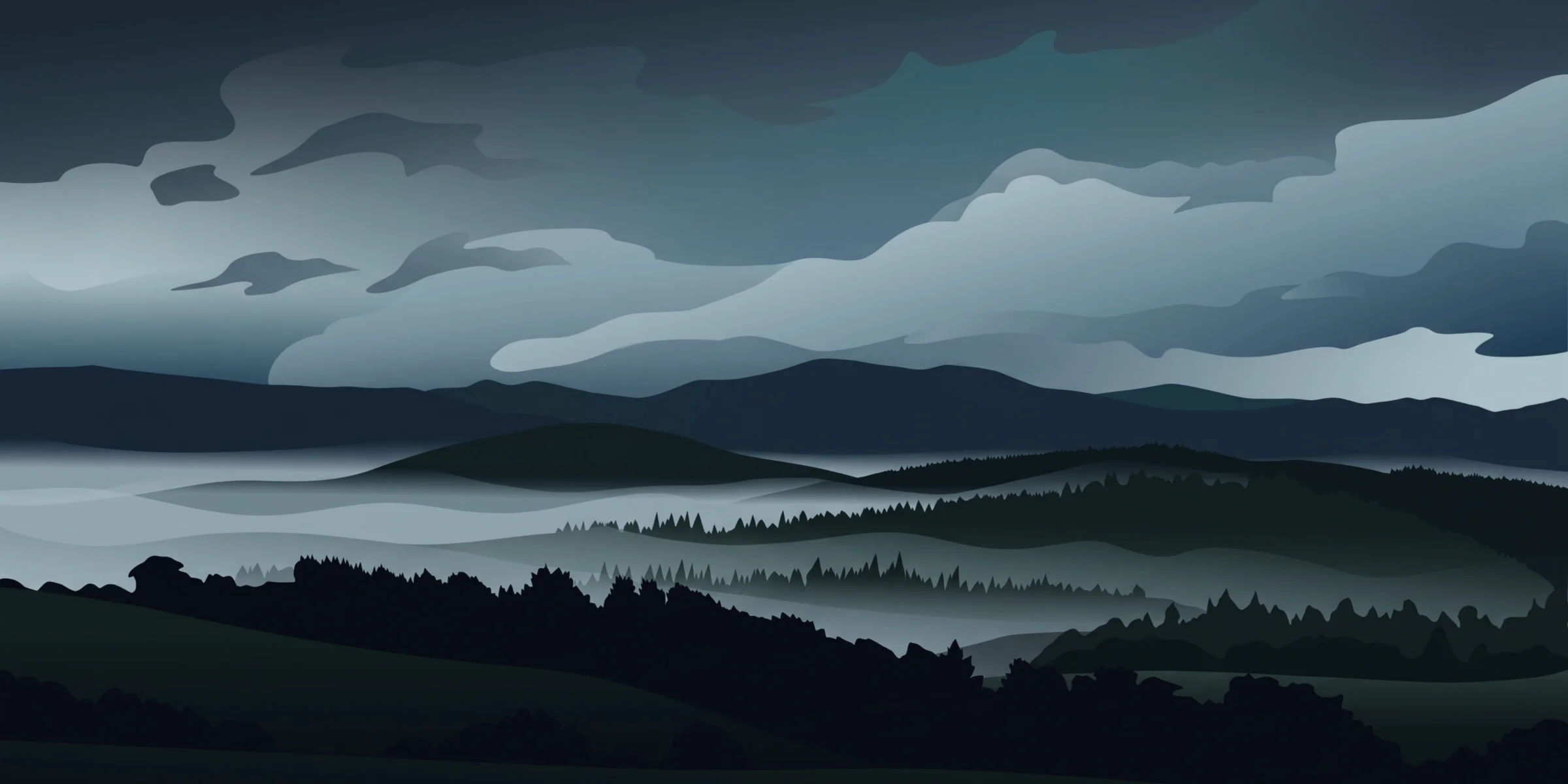
When I need to concentrate, I put on a record and leave it running. Nothing that asks me to react to it, nothing I have to skip. Piano does this well. It can hold a room without filling it.
The reason it works for focus is fairly plain. There are no words, so the part of your head that handles language stays free for whatever you are actually doing. The tempo tends to sit still. The dynamic range is narrow, so nothing swells up and pulls your attention back to the speakers. Good instrumental piano is content to be in the background, and it does not mind being half-heard.
What tends to break concentration
The things that break focus are usually the things a track does to keep you interested. A sudden key change. A drum coming in. A melody that resolves in a way you did not expect and makes you look up. Music built to be listened to is often the worst music to work to, because it is doing its job when it takes you out of your own.
There is a quieter problem with the way most people find focus music now. You open a streaming app, tap a focus or deep-work playlist, and let it feed you. The order changes under you. Tracks you liked vanish. And almost all of it reports what you played, when, and for how long, back to a company that would rather you never stopped. I would sooner choose a record, know what is on it, and let it end when it ends.
Why I write the kind of piano that suits it
I write modern classical piano by ear, most of it minimal and slow. It came out of the hills I grew up in on the eastern edge of the Cairngorms, and it tends to stay level rather than build to anything. That is partly temperament and partly the place it came from. Whatever the cause, it turns out to be useful when you need to think, because it was never trying to be the loudest thing in the room.
Glass Slopes is the album to start with. Thirteen pieces for solo piano, recorded in 2012. Geallaig Hill, the opening track, is named after a hill I could see from the house. None of it demands anything from you. You can put it on, forget it is there, and get an hour of work done before you notice it has finished.
Where to start listening
If you are new to this kind of music, quiet solo piano is a good place to begin, the sort that keeps a steady, unhurried pace and does not reach for a big finish. There is a whole corner of modern classical piano built exactly this way, and once you find one thread of it the rest is easy to follow.
For mine, the visualiser page plays the records straight through with a night sky over the hills, which some people leave open in a tab while they work. If you would rather just have the album, Glass Slopes is the place.
A record has one property a playlist has taken away. It ends. When it does, you notice the room again, and that is often a reasonable moment to stop and stretch before the next hour.