Neoclassical piano is a quiet corner of music. Solo piano, for the most part, closer to a held breath than a performance. I have been writing it for years without ever quite deciding to, and this is the short version of what it is and where mine comes from.
What the music is
The pieces are minimal and slow. They keep a steady pace and a narrow range, and they stay level rather than climbing to a big finish. There is not much showing off. A phrase repeats, shifts a little, and gives you room to settle into it. Modern classical, contemporary classical, neoclassical: the labels move around, but they point at the same thing, piano played gently with space left in it.
Where it comes from
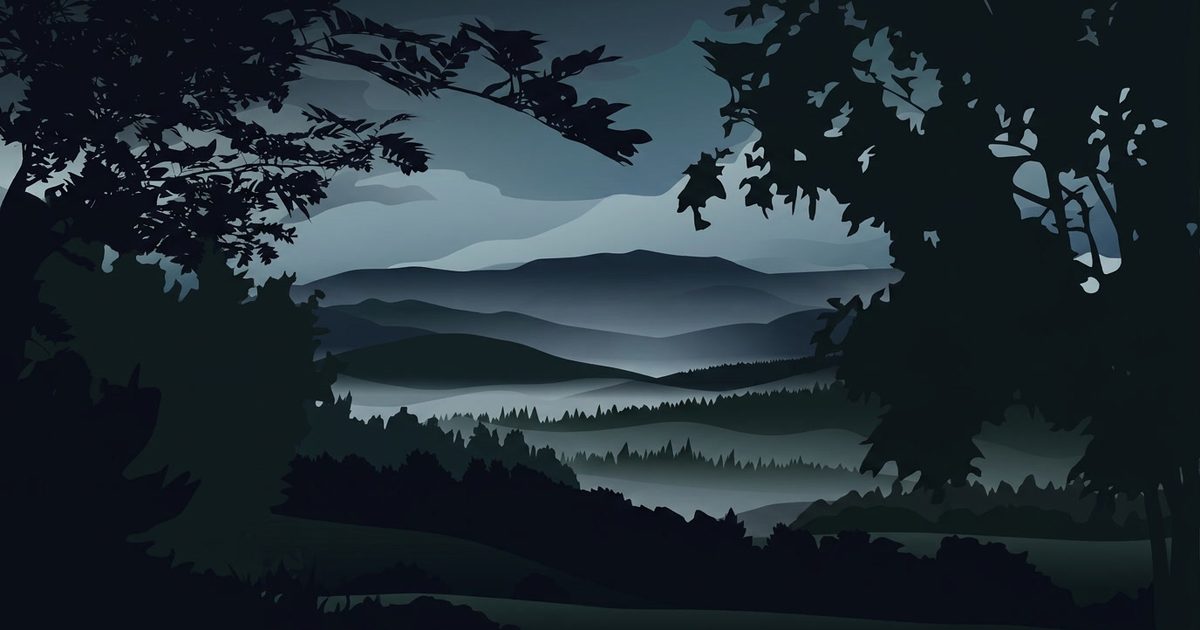
Mine came out of the hills I grew up in, on the eastern edge of the Cairngorms. The light there is low for much of the year and the weather does most of the talking. Geallaig Hill, the piece that opens Glass Slopes, is named after a hill I could see from the house. Others hold onto a particular morning, or a walk, or a person. I do not write to a picture, but the pictures are in there.
How it is made
I have played by ear since I was four. My father could not read a note either. He taught me songs he had picked up the same way, at a battered old piano that had gone honky-tonk on a few of its keys. I found I could hear a song, any song, and my hands would just go to the notes.
Writing my own came out of the same habit. The pieces are found at the piano rather than set on the page, so they arrive slowly and change every time I sit down, until one version settles and becomes the one. There is no score to read from. If you asked me to write out Rainfall in full I would have to work it out like anyone else.
When it is going well I can lose hours to it without noticing. It has always felt less like inventing something and more like catching something that was already passing through, and it has always made me happy in a way little else does.
Where to start
Two records are out. Glass Slopes is the album, thirteen pieces for solo piano and the fuller picture of what the music is. The Passenger EP is shorter and quieter, four pieces. You can hear both on this site: the visualiser plays them straight through under a night sky, or you can go to the record and listen track by track. A third, Infra Aura, is on the way.
If you tend to keep music on while you work, there is more on why quiet piano suits that in a separate note on piano for focus.
That is most of it. Quiet piano, made by ear, from a cold and beautiful part of the world. If it suits you, you will usually know within a track or two.